
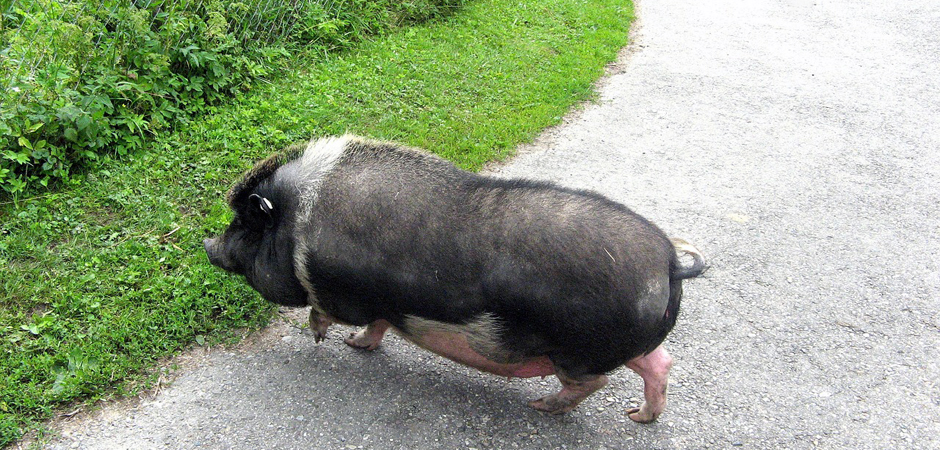
Tired of the same old cats, dogs, gerbils, or birds? If you’re looking for a pet that’s just a little different but still smart, social, and surprisingly lovable, you might want to consider a pot-bellied pig.
Jump to . . .
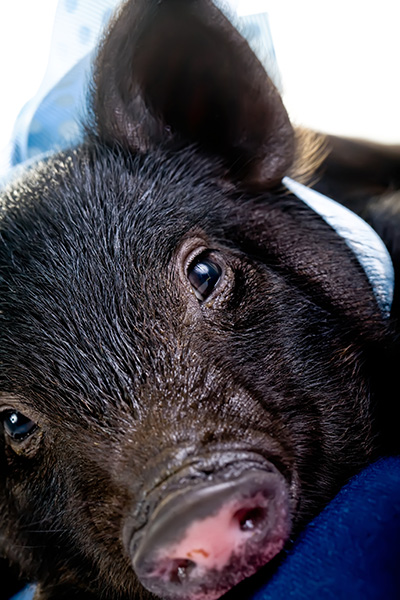
Forget the muddy farmyard stereotype. Pot-bellied pigs are incredibly intelligent, affectionate, quiet, and clean animals. But as with any pet, there are a few things to keep in mind before adding one to your family.
In many ways, pot-bellied pigs are more like dogs than you’d think. They can be housebroken, leash-trained, and even learn tricks and routines. But pigs require a serious commitment. They’re not low-maintenance animals and they do best with consistent care, structure, and attention.
Life & Size
These pigs can live a long time, typically 12 to 18 years. Some even surpass the 20-year mark. Despite the name “miniature,” a fully grown pot-bellied pig can weigh around 100 to 150 pounds. That’s “mini” only in comparison to commercial farm pigs.
It can take 2 to 3 years for a pig to reach its full adult size, standing roughly 16 to 26 inches tall at the shoulder.
Social Skills
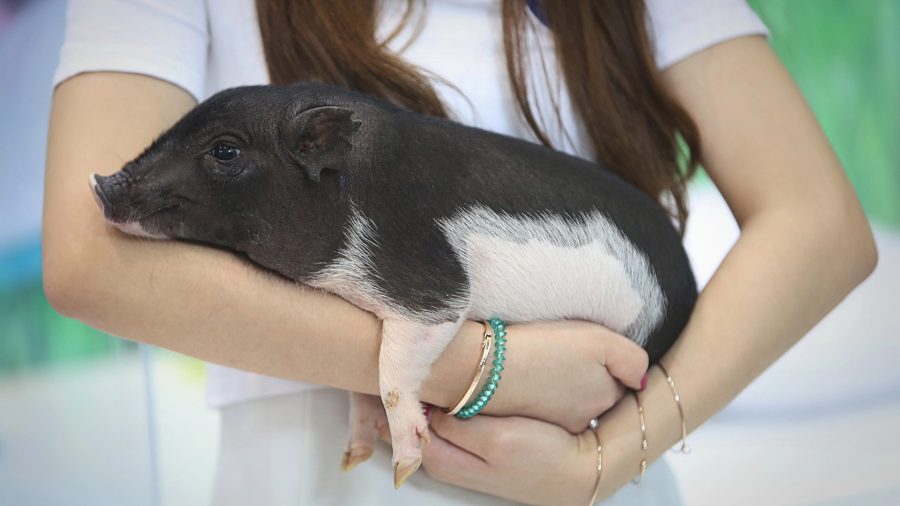
Pot-bellied pigs are highly social and often thrive with another pig companion. However, they don’t usually mix well with other household pets, especially dogs. There can be dominance issues or aggression.
They do crave affection and love belly rubs . . . just like cats and dogs.
Diet
A proper diet is essential for a healthy pot-bellied pig. They need specially formulated mini pig food that is high in fiber and low in calories. Good options include:
- Mazuri Mini Pig Youth or Maintenance Feed
- Nutrena Country Feeds
- Kalmbach Feeds Squeals of Joy Mini Pig Food
These are designed to meet their unique nutritional needs and are far better than dog food, cat food, or scraps from the table.
The term “mini pig” is often used as a catch-all label that includes pot-bellied pigs and other small domestic pig breeds. While “mini” can be misleading (since adult pigs still reach 100+ lbs), the commercial feeds labeled Mini Pig Food or Mini Pig Maintenance are specifically designed for:
- Pot-bellied pigs
- Teacup pigs (which don’t stay teacup-sized)
- Other small pet pig breeds
These feeds provide:
- The right fiber content to support digestion
- Controlled calorie levels to help prevent obesity (a huge issue for pet pigs)
- Balanced vitamins and minerals that pigs don’t get from fruits or veggies alone
Fruits and vegetables can be given as treats in moderation, but they should never replace proper pig pellets. Too much fruit or starchy veggies can lead to obesity and nutritional deficiencies.
Resist the urge to underfeed your pig to keep their size down. It doesn’t work, and it can cause serious long-term harm. Follow the recommended daily feeding amounts based on your pig’s age and weight, and always have fresh water available.
Space & Time
Pot-bellied pigs need their own dedicated space in your home. For indoor pigs, this space should be draft-free, easy to clean, and somewhat separate from the hustle and bustle of daily life. Kitchens, laundry rooms, or utility areas with linoleum or tile flooring are ideal. Carpeted areas are not recommended, especially during house training.
If your pig came with a crate or cage, place it in this space as a safe zone. Helping your pig get comfortable inside a crate is important for vet visits or boarding. You can occasionally encourage them to rest inside with the door closed just to reinforce that it’s a familiar and secure spot.
The space should be able to be closed off from other rooms to help with potty training and to keep your pig from wandering while unsupervised. Limiting access early on helps reduce accidents and keeps your pig feeling safe and grounded while they adjust.
Potty training is an important part of pig parenting. Pigs can learn to use a litter area, but you’ll want to avoid traditional cat litter boxes, which are often too deep. Many pigs also try to eat the litter, which can be dangerous. Instead, try one of the following setups:
- A shallow litter box (made for pigs, or a crate tray or underbed storage box, etc.)
- Line it with newspaper, puppy training pads, or reusable waterproof pee pads
- Use a pig-safe pellet-style litter. Avoid clay litters and cedar shavings! Kiln-dried pine bedding or natural pine pellets make a great alternative. They’re absorbent, low-dust, and break down into sawdust when wet.
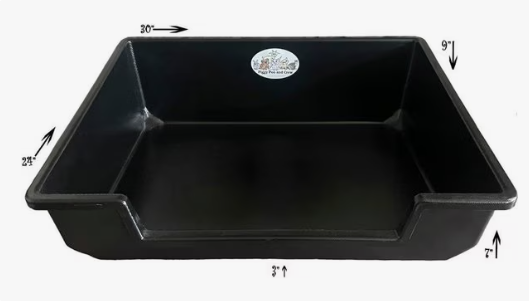
Caldwell’s reusable pads are ultra-absorbent and perfect for pigs. Line a crate or use solo on tile for an easy indoor potty setup.
For pigs kept outdoors, a secure fence is a must. Pigs are strong, clever, and determined when it comes to exploring, so fencing should be sturdy and checked regularly for rooting damage or escape routes. Outdoor pigs also need shelter from the elements. Their body temperature must be regulated throughout the year, with shade and water in hot weather and warm, dry bedding in the cold.
And don’t forget: pigs root! If you’re particular about your lawn or landscaping, an outdoor pig may not be the best fit. They’ll dig through soil, grass, and flowerbeds just doing what pigs do naturally.
Lastly, pot-bellied pigs thrive on routine. They’re creatures of habit and do best when they know what to expect. A predictable schedule for feeding, potty breaks, playtime, and interaction goes a long way toward keeping your pig content and well-behaved.
Play & Enrichmenet
Pot-bellied pigs are intelligent, curious animals that need regular mental stimulation to stay happy and well-behaved. Without enrichment, they can become bored, frustrated, or even destructive.
Fortunately, there are plenty of fun ways to keep your pig engaged.
Popular Pig Toys & Activities
- Treat-dispensing balls and puzzles
Stimulate their foraging instincts and reward problem-solving. - Soft plush toys
Great for cuddling or gentle rooting. - Snuffle mats
Hide small treats or pellets for rooting fun. - Tunnels and hideouts
Encourage movement and exploration. - Kiddie pools with water or sand
Offer supervised digging or cooling-off time.
Pigs also enjoy simple, supervised outdoor rooting time, “nose work” games, and even learning basic commands or tricks using positive reinforcement.
When choosing toys, avoid anything too small, sharp, or easy to chew into pieces. Look for items labeled for pigs or durable dog toys made for strong chewers.
Creating an enriching environment doesn’t have to be expensive. Many pigs are just as happy with a cardboard box filled with hay and hidden snacks as they are with more advanced puzzle feeders.
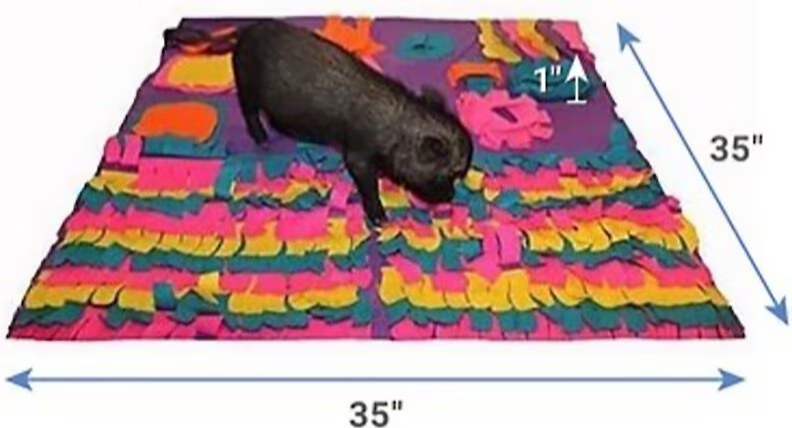
Piggy Poo and Crew Activity Rooting Large Snuffle Mat & Piano
The combo includes a large snuffle mat that taps into your pig’s natural rooting instincts, plus a piggy-sized piano toy for added stimulation.
Grooming & Discipline
Pot-bellied pigs are fairly low-maintenance when it comes to grooming, but they still need regular care. This includes cleaning their eyes and ears, trimming their hooves, and if they’re male, occasionally trimming their tusks. Annual deworming and vaccinations are essential and should be done by a veterinarian who has experience with pigs.
Pigs don’t require frequent bathing, but their skin does need attention. Since pigs don’t sweat, their skin can become dry and flaky. Regular moisturizing with pig-safe oils (like coconut oil) can help keep their skin soft and healthy.
As intelligent animals, pigs require clear boundaries and consistent discipline. Their love of food can make them creative troublemakers—many learn how to open the fridge or rummage through cabinets. They may even try to snatch food from children.
Discipline should be firm but always positive. Pigs respond very well to rewards and reinforcement, especially when food is involved. Physical punishment is never appropriate. Like dogs, pigs need to understand that you’re the one in charge, and consistency is key to building a respectful relationship.
Spay & Neuter
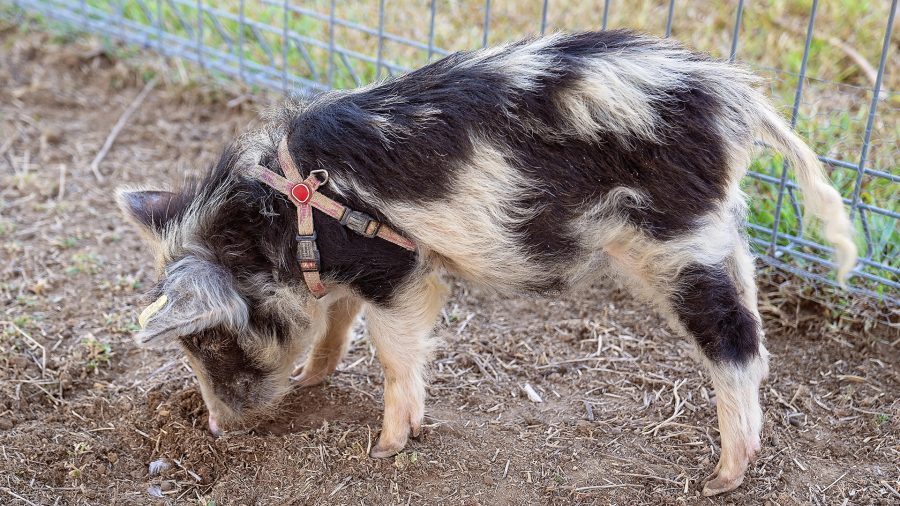
Pot-bellied pigs should be spayed or neutered as early as possible. As with cats and dogs, the population of unwanted pigs far exceeds the number of available homes, and sanctuaries across the country are overwhelmed.
Beyond preventing accidental litters, spaying or neutering can drastically reduce unwanted behaviors. Male pigs can start exhibiting hormonal traits as early as 8 weeks old, and females may show signs of heat by 3 months. These behaviors can include aggression, mounting, excessive rooting, or escape attempts, all of which are reduced or eliminated after surgery.
Having your pig altered early supports both their health and their long-term happiness in your home.
Zoning & Ordinances
Before bringing a pig home, it’s critical to check local zoning laws and any applicable homeowners’ association (HOA) rules. Some areas classify pigs as livestock, not pets, which means you could be legally barred from keeping one, even if your neighbors don’t mind.
Many pigs are surrendered not because of poor behavior or lack of bonding, but because their owners didn’t realize pigs weren’t allowed where they live. Do the homework first so you don’t face the heartbreak of having to give up your pet later on.
Also, keep in mind that while some cities allow pigs under certain conditions (like as emotional support animals), you may need official documentation or exceptions in writing. Double-check everything, including restrictions on weight, number of animals, and outdoor enclosures.
FAQs
How big do pot-bellied pigs really get?
Despite the term “mini,” adult pot-bellied pigs often reach 100 to 150 pounds and stand 16 to 26 inches tall at the shoulder. They grow for 2 to 3 years before reaching full size.
Are pot-bellied pigs good indoor pets?
Yes, pot-bellied pigs can live happily indoors if you provide them with a clean, draft-free space, regular potty breaks, and lots of enrichment. They’re intelligent and can be housebroken, just like dogs.
Do pot-bellied pigs get along with dogs or cats?
Sometimes. While some pigs and cats tolerate each other well, pigs and dogs often don’t mix safely due to prey/predator instincts. Supervision is always required.
What do pot-bellied pigs eat?
They need a balanced diet of mini pig pellets and fresh vegetables. Treats like fruits should be limited. Avoid dog food, cat food, or human junk food.
Can pot-bellied pigs be trained?
Absolutely. Pigs are smart and respond well to positive reinforcement. Many can learn tricks, routines, and even how to use a litter box or go outside on a leash.
Do pot-bellied pigs need to be spayed or neutered?
Yes. Spaying or neutering helps reduce behavioral issues and prevents overpopulation. It’s best done early, before hormonal behaviors appear.
Is it legal to own a pot-bellied pig as a pet where I live?
It depends. Always check your local zoning laws and HOA rules before adopting. Some areas consider pigs livestock, even if they’re pets.
Additional Resources
If you’re still thinking about adding a pot-bellied pig to your family, take time to read up and explore what responsible pig ownership looks like. These resources offer solid information and real-life insights:
- Open Sanctuary Project – Pot-Bellied Pig Care
- American Mini Pig Association (AMPA) – Pot-Bellied Pig
- North American Pet Pig Association (NAPPA)
Last updated: March 24, 2026
Originally published: January 15, 2010