

by V. Berba Velasco Jr., Ph.D.
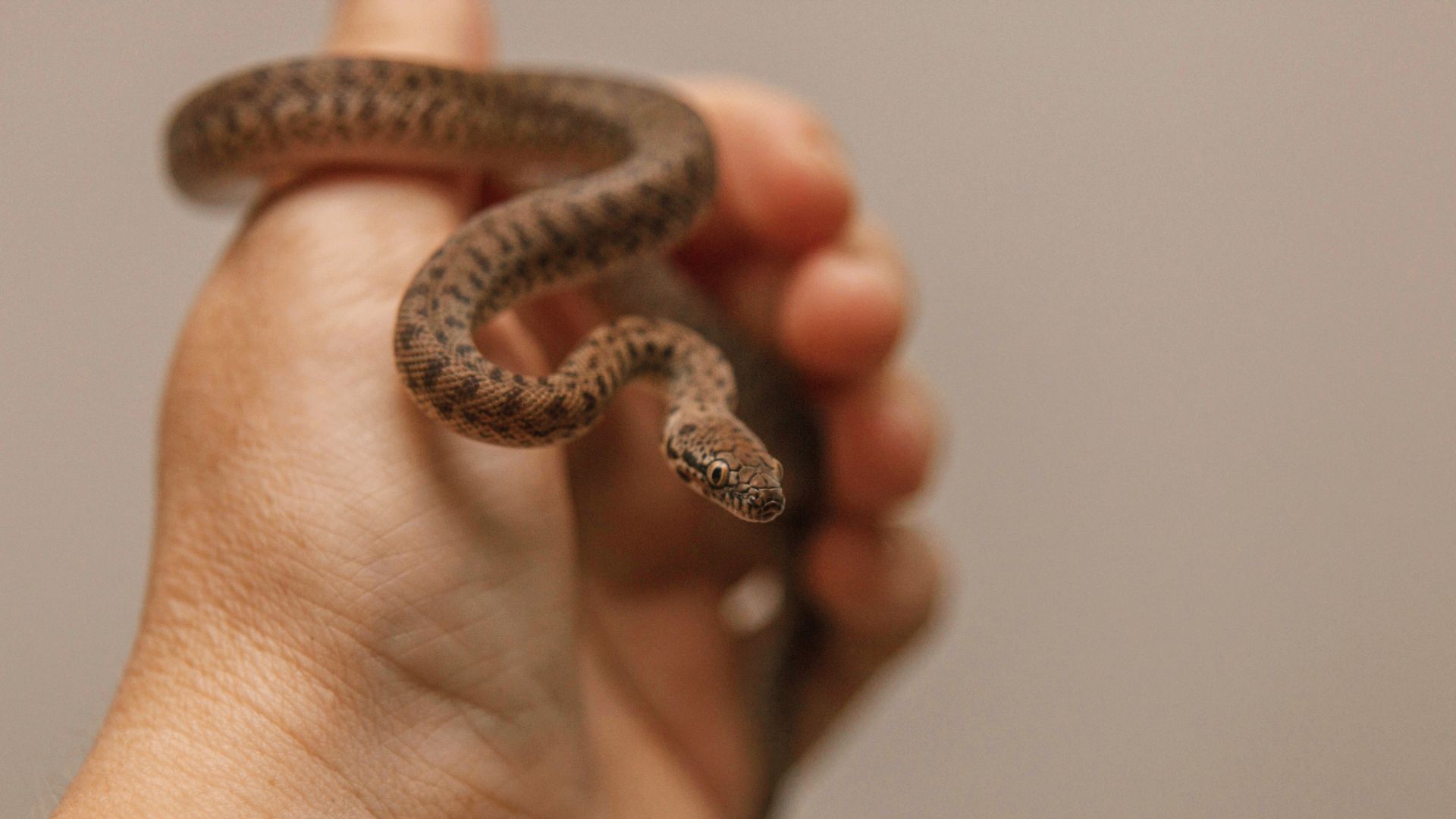
If you're looking for an unusual, eye-catching pet, it's hard to go wrong with a snake. They're exotic enough to catch people's interest, yet hardy enough to require minimal care. Nevertheless, uninformed first-time owners tend to make some basic mistakes, some of which can be quite costly.
Here are some simple tips that can help ensure the health of the snake and prevent a lot of aggravation as well.
1. Understand How Large Your Snake Will Get
Most North American varieties only grown to be about four feet long, which is a reasonable size. Don' t let a pet store employee talk you into buying a Burmese python, since these critters can grow to be over thirty feet long, and will require huge cages and tremendous amounts of food. (And before you ask: no, most zoos will not accept these as donations.)
2. Provide an Appropriately Sized Enclosure
Don’t scrimp on cage size. A cage that is too small can be very stressful and unhealthy to your pet. Pet store clerks will sometimes try to sell you caging that is inadequate in size, so don't fall into this trap.
For adequate comfort, the combined length and width of the cage should at least match the snake's length. Snakes can grow fairly quickly, so don't forget to take that into account as well.
REPTI ZOO 90-gal Full Tempered Glass Reptile Terrarium
A large, front-opening tempered glass reptile enclosure that offers ample space, visibility, and ventilation, making routine care easier for growing snakes.

3. Choose a Docile Snake if You're a Beginner
Do find out how docile that particular specimen is. Most non-venomous North American snakes are fairly docile, but if you're a first-time keeper, you should probably make sure that your prospective pet can be handled easily.
4. Pay Attention to Feeding Habits
Make sure that you select a pet with a hearty appetite. Ball pythons, for example, make great pets, but they are notoriously finicky eaters. Corn snakes make great starter pets because they are exceedingly docile and aren't picky about what they eat.
5. Practice Proper Reptile Hygiene
Snakes, indeed any reptile, can potentially spread salmonella. The risk involved is very small, but one should still play safe. This is especially true when young children or people with compromised immune systems are involved.
Do read up on reptile hygiene and salmonella before purchasing your pet.
Do Your Research Before You Buy
Obviously, these tips only constitute some basic advice. I recommend that all prospective owners should read up on snake care in general, as well as the specific needs of the species that they plan to purchase.
A little bit of basic research can prevent a great deal of aggravation in the future.
Last updated: February 2, 2026
Originally published: May 15, 2005