

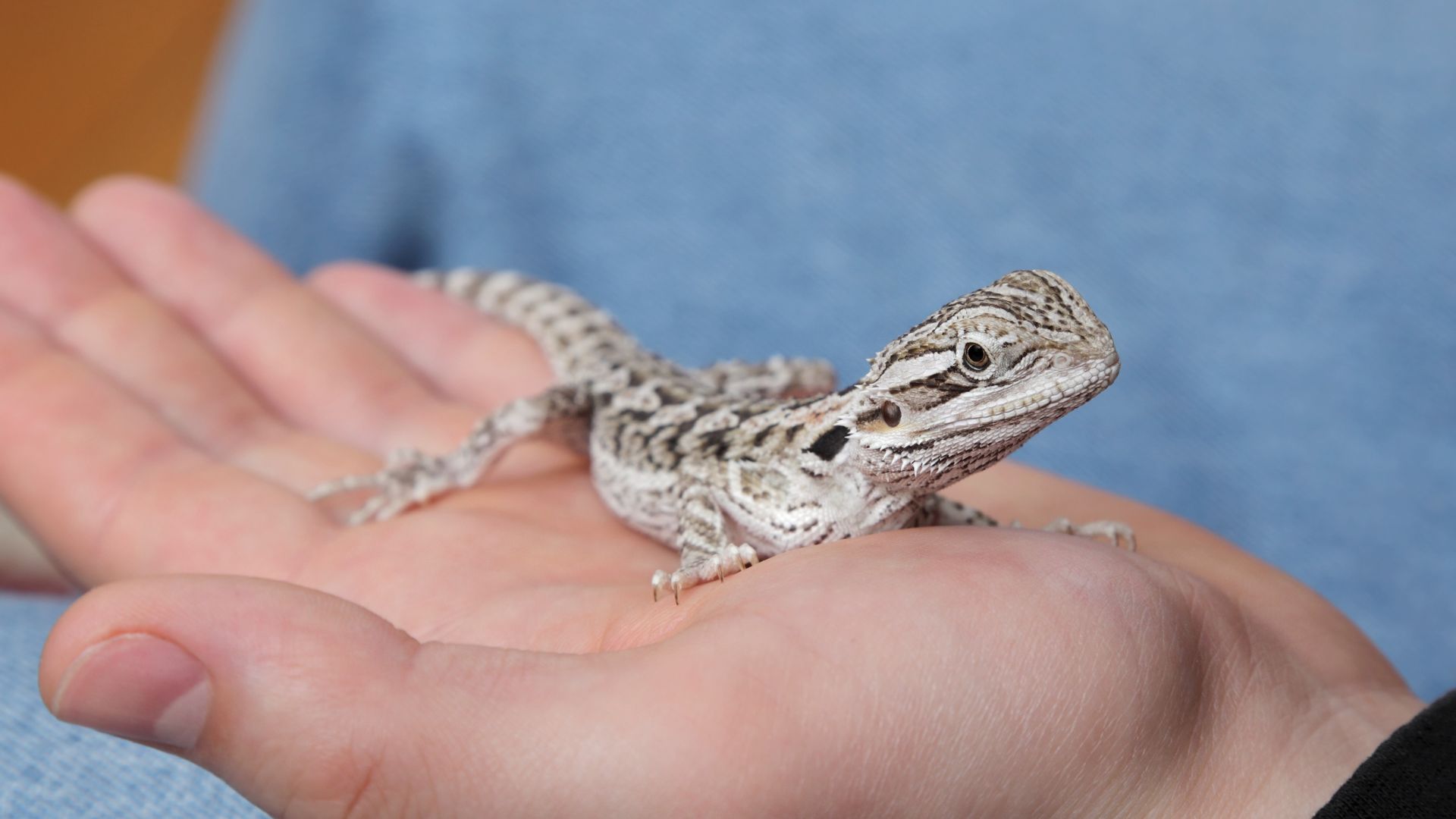
For a long time, birds were the go-to “something different” pet. Smaller than a dog, less demanding than a cat, and a good fit for apartment living. These days, reptiles are stepping into that same role for a lot of people.
Geckos, bearded dragons, snakes, and turtles have become popular choices for those looking for a pet that fits a quieter, more contained lifestyle. But while reptiles can be a good alternative to more traditional pets, they come with a very different kind of care.
A Different Kind of Low-Maintenance
Reptiles are often described as low-maintenance, but that can be misleading.
They don’t need walks or constant attention, but they do depend heavily on their environment. That means their enclosure setup matters more than anything else.
Most reptiles are kept in a vivarium, an enclosed habitat designed to recreate the conditions they would have in the wild. This includes:
- controlled heat and temperature gradients
- proper lighting, sometimes including UVB
- specific humidity levels
- a clean, stable environment
Once these basics are set up correctly, daily care is usually straightforward. But getting that setup right in the first place takes some planning.
If you’re new to reptile setups, it’s worth understanding how habitat, heat, and lighting all work together to keep them healthy.
Not the Same Kind of Companion
Unlike birds, dogs, or cats, reptiles aren’t interactive in the same way.
Most don’t seek attention or enjoy frequent handling. They’re better suited to humans who enjoy observing their pets rather than constantly interacting with them.
That’s not a drawback, it’s just part of what makes them different. For many people, that’s actually the appeal.
Choosing the Right Reptile Matters
Not all reptiles are the same, and size is one of the biggest factors to consider.
- Smaller reptiles like geckos or corn snakes are often easier to house and manage
- Larger reptiles like iguanas or bigger snakes require significantly more space and long-term commitment
It’s easy to underestimate how large some reptiles can grow, so it’s worth planning for their full adult size from the beginning.
Care Still Comes First
Even though reptiles can fit well into smaller spaces and quieter lifestyles, their care isn’t something you can just figure out as you go.
Most problems don’t come from anything dramatic. They usually come from small things being slightly off over time. A tank that’s a little too cool, lighting that isn’t quite right, or a setup that isn’t cleaned as often as it should be can all add up.
Unlike dogs or cats, reptiles won’t show obvious signs right away. They rely on their environment for everything, so when something’s off, it affects how their body functions day to day.
That’s why getting the basics right from the start matters so much.
Things like:
- consistent temperatures
- proper lighting
- a setup that matches the species
- and a routine you can actually keep up with
These aren’t complicated once you understand them, but they do require some attention.
If you’re willing to take the time to set things up properly and keep it consistent, most reptiles are straightforward to care for. It’s when those basics get overlooked that problems tend to show up.
A Long-Term Commitment
Reptiles are not short-term pets.
Many species live 10–20 years, and some, like turtles, can live much longer. Bringing one home means committing to that care over time, not just getting through the initial setup.
What often catches people off guard isn’t the day-to-day care, it’s the consistency. Heat, lighting, feeding, and cleaning all need to be maintained week after week, year after year.
It’s also worth thinking ahead. Your living situation, schedule, and space may change over time, but your reptile’s needs won’t. Larger species especially can become harder to manage if you didn’t plan for their full size and lifespan from the start.
If you go into it with that mindset, reptiles can be very manageable. But they’re not something you can set up once and forget about.
A Different Kind of Pet, Perfect for the Right Person
Reptiles may not replace birds in the traditional sense, but they’ve become a natural alternative for people looking for a quieter, lower-interaction pet.
They don’t require constant attention, but they do require the right setup and consistent care. For the right owner, that balance works well.
Last updated: March 25, 2026
Originally published: January 18, 2006