

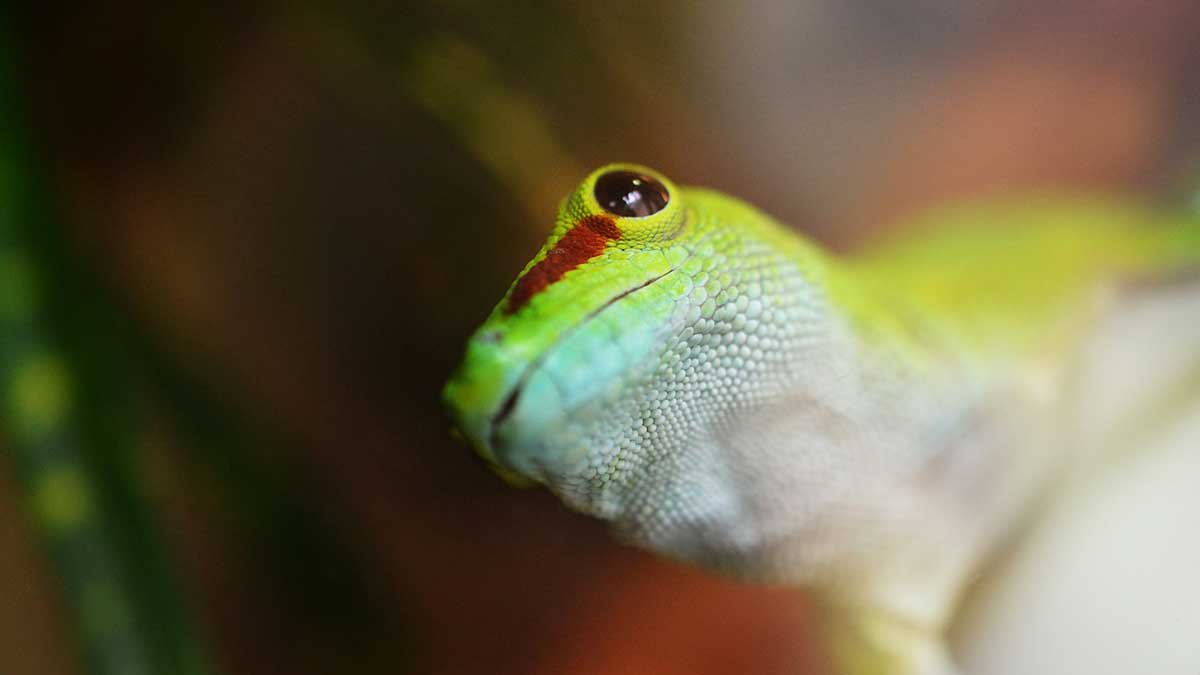
Reptiles can make great pets, but their care is very different from dogs or cats. Animals like geckos, snakes, and turtles rely on their environment to regulate their body, so small setup issues can quickly affect their health.
In captivity, most pet reptiles are kept in a vivarium, which is simply an enclosed space designed to recreate their natural habitat. Getting this environment right is one of the biggest factors in keeping a reptile healthy over time.
Common Pet Reptiles and Their Needs
Different reptiles have different requirements, but most fall into a few general groups:
- Small reptiles (like leopard geckos, crested geckos, and corn snakes): typically easier to house, with manageable enclosure sizes and simpler setups
- Larger reptiles (like bearded dragons, iguanas, and larger snakes): need more space, stronger heating, and more involved setups over time
- Aquatic or semi-aquatic reptiles (like turtles): require both land and water areas, along with proper filtration and lighting
While setups vary, the basics are the same. A reptile’s health depends heavily on temperature, lighting, diet, and cleanliness.
What a Healthy Reptile Looks Like
A healthy reptile usually shows consistent, predictable behavior.
- Clear, bright eyes
- Regular appetite
- Steady weight
- Normal shedding
- Alert but not overly stressed
You don’t need to constantly handle your reptile to check on it. Just paying attention to daily patterns is often enough to notice when something changes.
Signs Something Might Be Wrong
Reptiles are good at hiding illness, so changes can be subtle at first.
- Loss of appetite
- Sudden weight loss
- Lethargy or unusual inactivity
- Trouble shedding or stuck skin
- Discharge from the eyes or nose
- Changes in behavior, like hiding more than usual
If something seems off for more than a short period, it’s worth taking a closer look at the setup and care routine.
Why the Setup Matters So Much
Most health problems in reptiles don’t start with disease. They start with the environment.
Incorrect temperatures, poor humidity levels, or an unclean enclosure can all lead to stress and long-term health issues. Even small inconsistencies can add up over time.
This is why the vivarium matters so much. It’s not just where your reptile lives, it directly affects how their body functions day to day.
Common Causes of Health Issues
In most cases, problems come down to a few common factors:
- Incorrect temperature or lack of a proper heat gradient
- Poor or inconsistent diet
- Improper humidity levels
- Dirty or poorly maintained enclosure
The good news is that these are all things you can control and improve once you know what to look for.
When to Take Action
Some issues resolve quickly once you fix the setup, but others need more attention.
If your reptile shows ongoing changes in appetite, behavior, or appearance, or if something seems to be getting worse instead of better, it’s a good idea to consult a reptile veterinarian.
Keep It Simple and Consistent
Keeping a reptile healthy isn’t about doing anything complicated. It comes down to consistency, observation, and getting the basics right.
Once the environment is set up properly and maintained over time, most reptiles do well. Paying attention to small changes early is the best way to avoid bigger problems later.
Last updated: March 25, 2026
Originally published: July 8, 2011




I’m always amused by friends fussing over reptiles, but just because they don’t reciprocate our affection, doesn’t mean that they can’t have mental health problems if deprived of things to do.
Great tips and good point here: “Adopting a pet is the easy part, caring for it on a daily basis is much harder and requires time, patience and above all love.” Before owning a pet make sure we are capable on delivering them all their needs. Thank you for sharing this great post!
I agree that adopting a pet and caring for the pet are two different things. Before we decide to have a pet, we should consider asking ourselves if we have the commitment and time to take care of the pet we have in mind. There’s more to it than just feeding our pets. We have to make them feel comfortable and happy with their habitat.
There are many people, who prefer reptiles to cats or dogs. After all, they are living creatures, too and need to be treated with the proper animal care and love. If you need a veterinary help or you cannot find a vet for your pet, visit our website.