
Scoopy Doos is Charleston's premier pet waste removal service.
If you have pets and have poop – they'll get the scoop.
Disclosure:
This post may include affiliate links. As an Amazon Associate, we may earn from qualifying purchases at no extra cost to you.
Learn more.
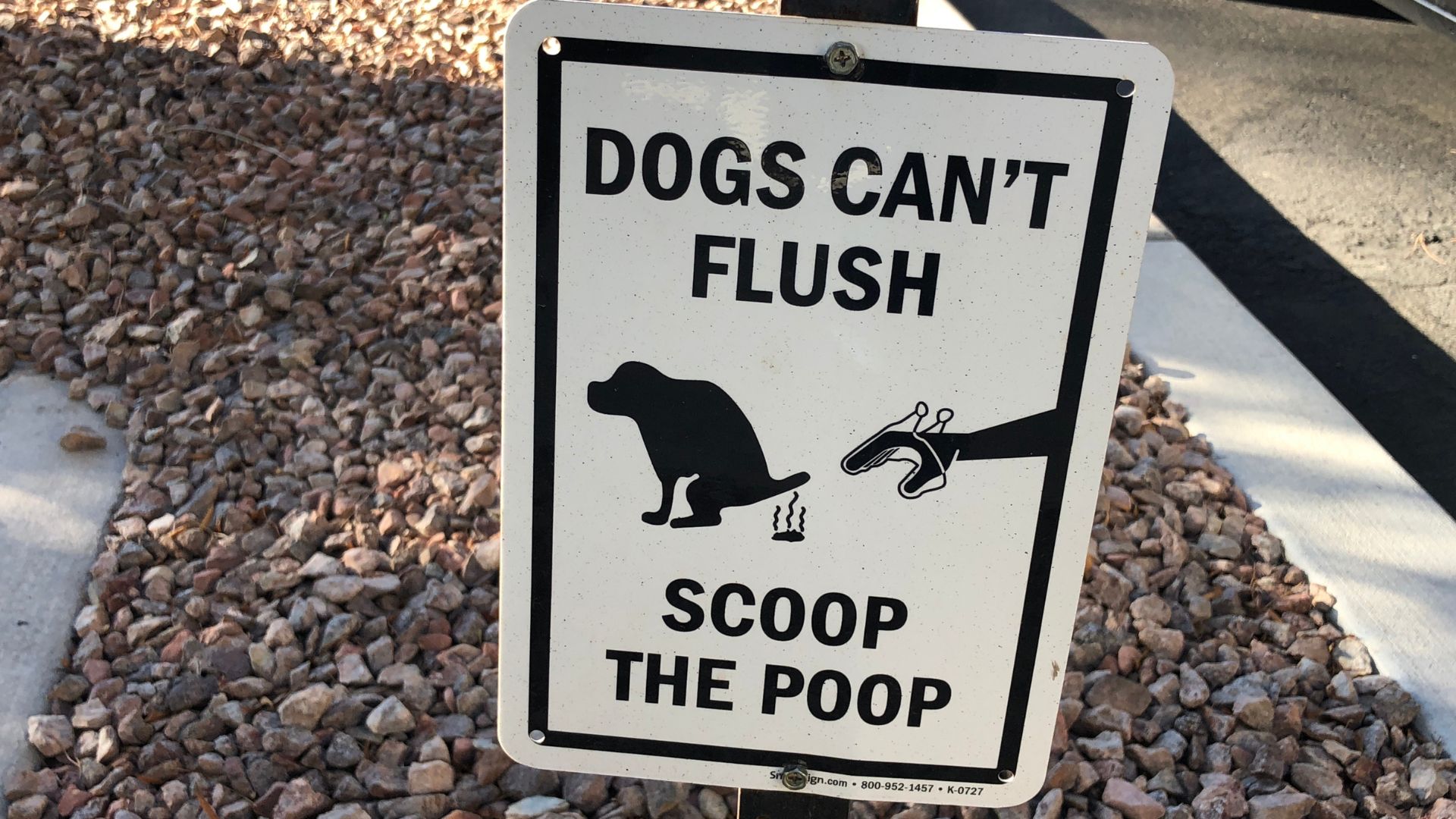
They'd like dog owners to be aware of the environmental impact of dog waste.
Did You Know…
- Dog feces are one of the most common sources of waterborne bacterial disease, giardia, hookworms, parvovirus, roundworms (ascarids), and whipworms.
- A single gram of dog feces contains an average of 23 million fecal coliform bacteria, some of which can cause disease in humans.
- Children run the greatest risk of infection because they’re prone to play in the dirt and then put their hands in their mouths or rub their eyes with their hands.
- Dogs are as high as third on the list of contributors to bacteria in contaminated waters.
- Recent research has shown that dog feces play a major role in contributing to water pollution. In high enough concentrations, these bacteria can make water unsafe for swimming, drinking, fishing, or harvesting of shellfish.
- Pet waste can release ammonia into the water which can kill fish and other aquatic life. At the same time, it can stimulate excessive growth of algae and other aquatic weeds.
- Carnivorous animals, such as dogs, do not produce useable manure-fertilizer for plants. Dog feces is protein based which is poisonous to lawns and may take up to one year to disintegrate.
- Rodents, insects and dogs eat dog feces.
Last updated: February 2, 2026
Originally published: May 16, 2006