
Bringing a pet bird into your home can be a wonderful experience for a child. Birds are intelligent, colorful, and often very social animals that can form strong bonds with their owners. For many families, a pet bird becomes a beloved member of the household.
However, not all birds are ideal companions for young children. Some species require a great deal of care, patience, and attention. Others are easier to manage and tend to adapt better to a busy family environment.
Before bringing a bird home, it’s important to consider your child’s age, maturity level, and the time your family can realistically dedicate to caring for a pet.
Why Birds Can Be Great Pets for Kids
Birds offer many benefits as family pets. They can teach children responsibility, patience, and respect for animals.
Unlike some pets, birds are also highly interactive. Many species enjoy playing with toys, exploring their surroundings, and interacting with their owners. Some birds can even learn to mimic sounds or words, which many children find fascinating.
Birds are also relatively small pets that don’t require outdoor walks or large living spaces. With the right cage, toys, and daily attention, many birds thrive indoors.
Things to Consider Before Getting a Bird
Before choosing a bird for your child, it’s important to understand that birds are not low-maintenance pets. Even smaller birds require daily care and attention.
Some important factors to consider include:
- Lifespan: Many birds live much longer than people expect. Some parrots can live for decades.
- Noise: Birds can be vocal, especially in the morning and evening.
- Mess: Feathers, seed shells, and droppings are part of bird ownership.
- Daily interaction: Birds are social animals and need stimulation and companionship.
Parents should expect to play an active role in caring for the bird, especially for younger children.
Good Starter Birds for Children
Certain bird species are generally better suited to families with children because they are smaller, friendly, and easier to care for.
Budgies (Parakeets)
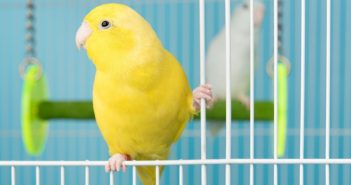
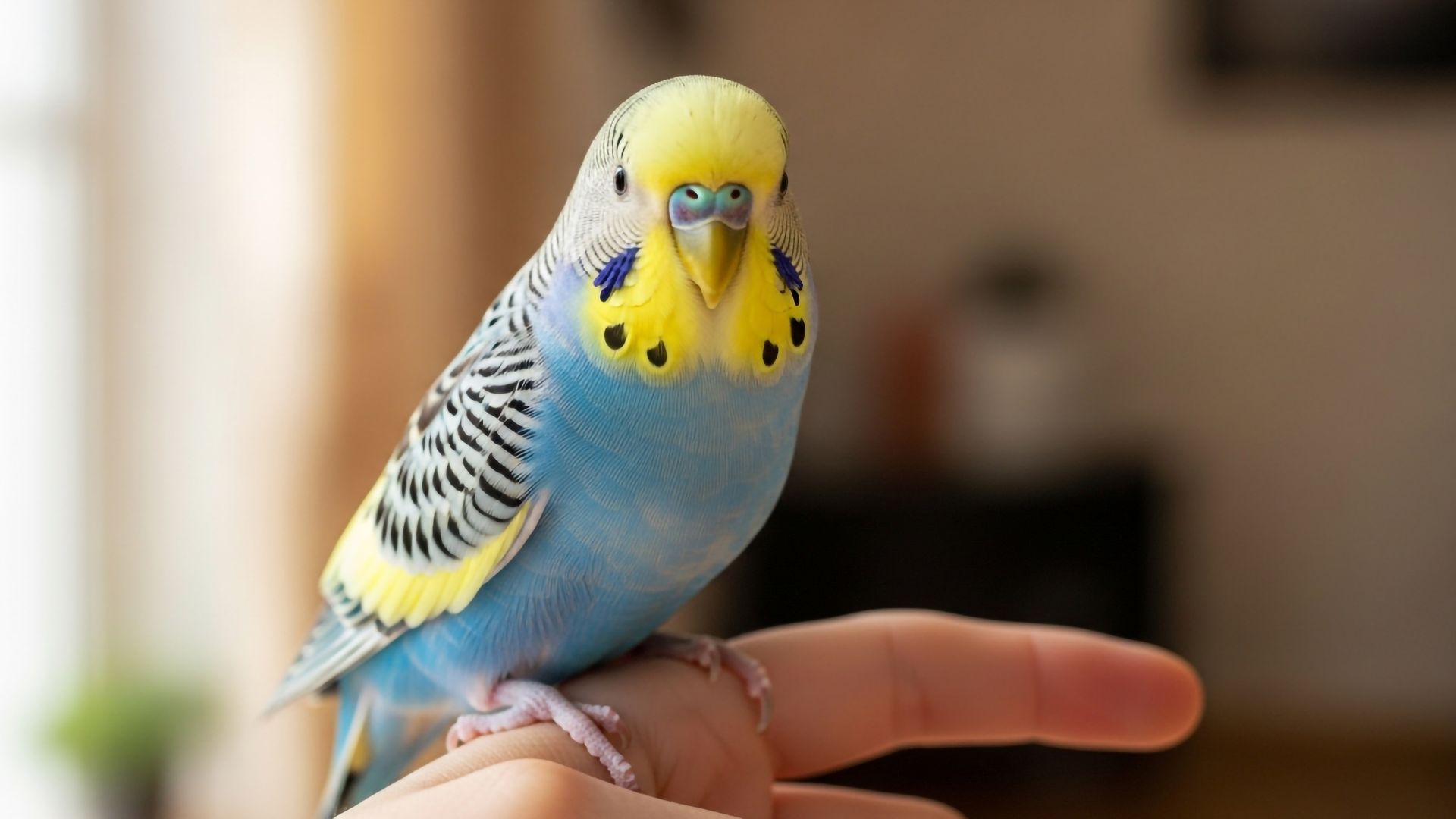
Budgies, often called parakeets, are one of the most popular pet birds in the world. They are small, colorful, and relatively easy to care for.
Budgies are known for their friendly personalities and can often be hand-tamed with patience. Some even learn to mimic simple words or sounds. Their manageable size and cheerful nature make them an excellent first bird for many families.
Cockatiels
Cockatiels are another popular choice for families with children. These birds are gentle, affectionate, and often enjoy interacting with people.
Many cockatiels learn to whistle tunes and can become very attached to their owners. They are slightly larger than budgies but are still manageable for most households.
Finches
Finches are small, active birds that are fascinating to watch. They are not typically handled as much as parrots, but they are relatively easy to care for and thrive when kept in pairs or small groups.
For families who prefer a bird that can be observed rather than frequently handled, finches can be a wonderful choice.
Canaries
Canaries are known for their beautiful songs and bright colors. Like finches, they are usually more of a “watch and enjoy” pet rather than a bird that enjoys handling.
They are relatively low-maintenance compared to larger parrots and can bring a pleasant atmosphere to a room with their cheerful singing.
Birds That May Not Be Ideal for Young Children
While larger parrots can be amazing companions, they are usually better suited to experienced bird owners.
Birds such as macaws, cockatoos, and African grey parrots are extremely intelligent and require significant time, training, and stimulation. They can also be loud and may live for many decades.
For families new to bird ownership, starting with a smaller species is often a better choice.
Teaching Children to Care for Their Bird
A pet bird can help children learn responsibility, but it’s important to set realistic expectations. Younger children will need supervision and guidance when interacting with the bird.
Simple tasks children can help with include:
- Refilling food and water dishes
- Helping clean the cage
- Providing fresh vegetables or treats
- Spending time talking or playing with the bird
Teaching children to move slowly and gently around birds will help build trust and prevent accidental injuries.
Creating a Safe Environment
Birds are sensitive animals, and their environment plays an important role in their health and happiness. Providing a clean, comfortable living space will help your bird feel secure and reduce stress.
One of the most important parts of a bird’s environment is the cage itself. Choosing the right size, materials, and design can make a big difference in your bird’s comfort and well-being. If you're unsure what to look for, How To Select The Perfect Bird Cage explains what features to consider when choosing a cage for your bird.
Make sure the bird’s cage is large enough for movement and equipped with:
- Perches
- Safe toys
- Food and water dishes
- Proper ventilation
Birds should also be kept away from household hazards such as kitchen fumes, cigarette smoke, and drafts. With the right setup, your bird will have a safe place to rest, play, and interact with your family.
A Rewarding Family Pet
With the right care and attention, a pet bird can become a cherished companion for both children and adults. Watching a bird grow comfortable in its new home and interact with family members can be incredibly rewarding.
By choosing the right species and teaching children how to care for their new pet, families can enjoy many happy years with their feathered friend.
Last updated: March 24, 2026
Originally published: March 16, 2015