

Ticks happen. Whether your dog brushed past tall grass, wandered through the woods, or just spent time in the yard, it doesn’t take much for one to latch on.
Ticks aren’t just annoying, they can pose a real health risk to your dog. Once attached, they can irritate the skin and, in some cases, pass along disease. That’s why it’s important to remove a tick as soon as you find one.
The key is not to panic and not to rush it. Removing a tick properly reduces the risk of complications and helps you avoid leaving anything behind.
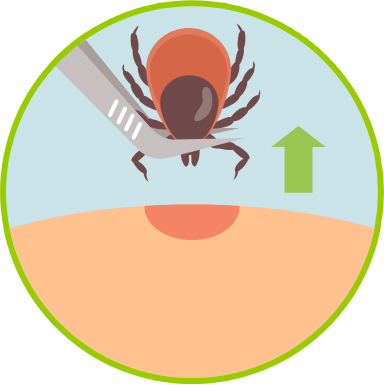
The safest way to remove a tick is to grab it as close to the skin as possible and pull straight out with steady pressure, then clean the area.
Here’s everything you need to know:
What You’ll Need
Keep it simple:
- A fine-tipped tweezers (like these) or a tick removal tool (like this one)
- Rubbing alcohol
- Paper towel or tissue
- Optional: gloves, scotch tape or container
How to Remove a Tick (Step-by-Step)
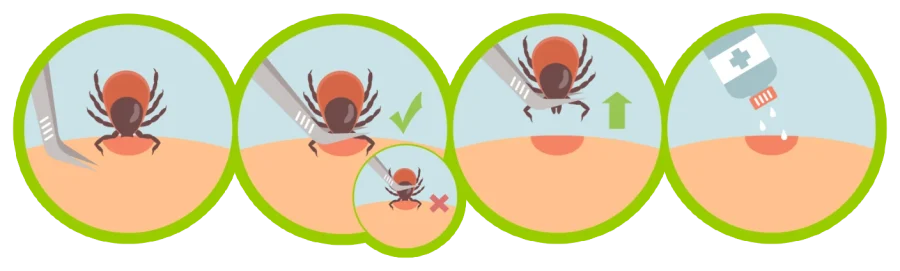
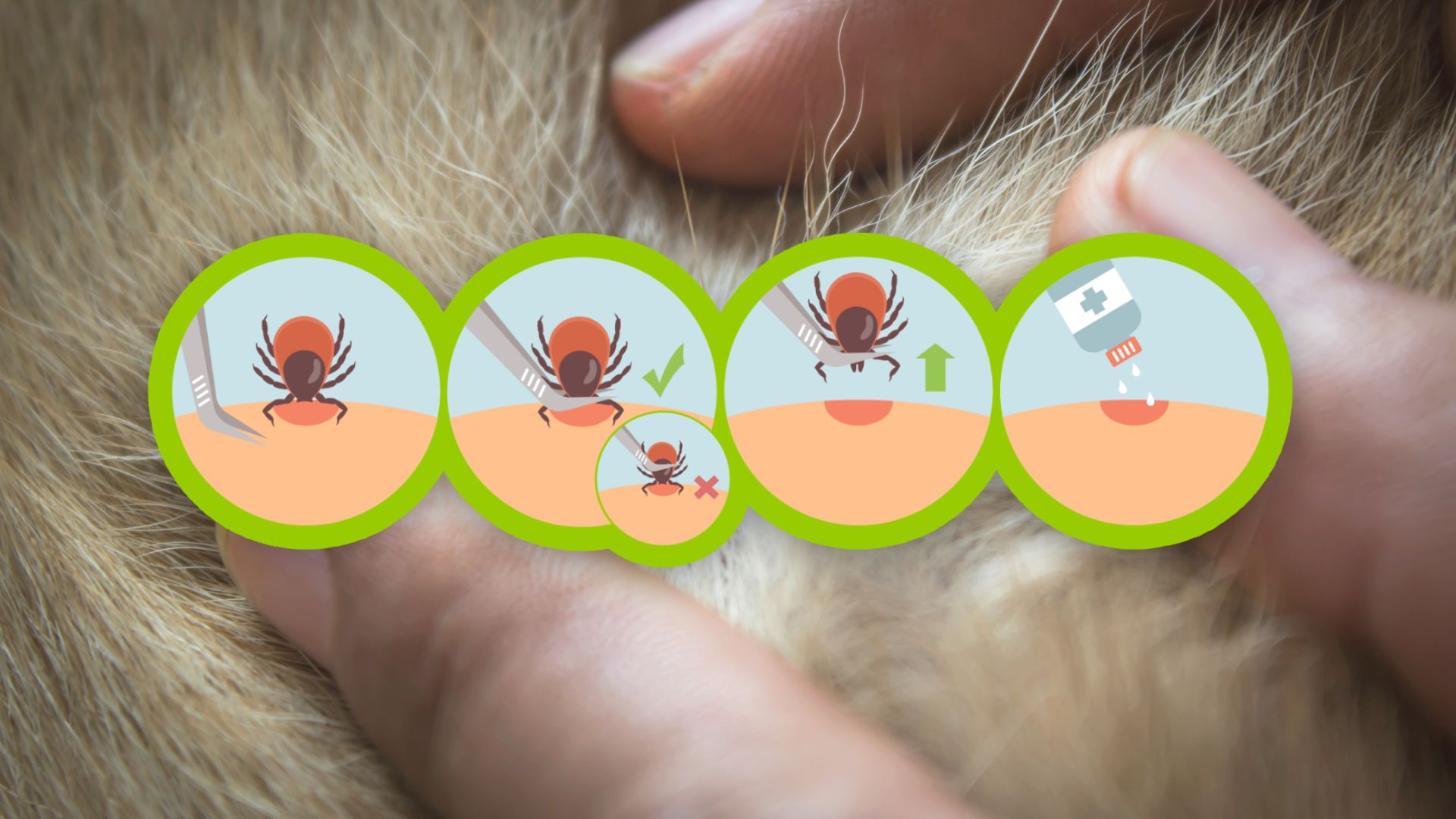
Removing a tick doesn’t have to be complicated. Follow these four simple steps.
1. Expose the Tick
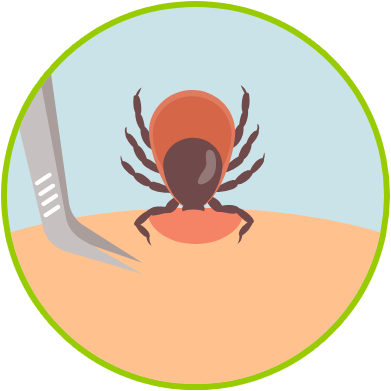
Part the fur or move hair aside so you can clearly see the tick. Make sure the area is well lit before you begin.
2. Grip Close to the Skin
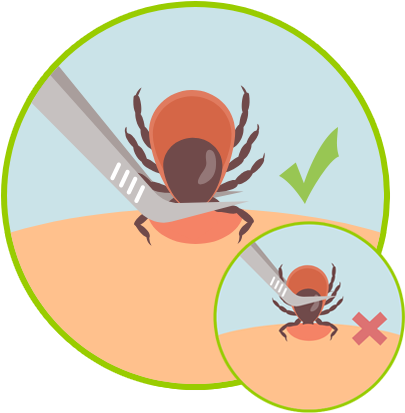
Using fine-tipped tweezers, grasp the tick as close to the skin as possible. Avoid squeezing the body, which can push harmful material into the bite.
3. Pull Straight Out
Apply steady, even pressure and pull the tick straight out. Do not twist or jerk, as this can cause the mouthparts to break off and remain in the skin.

4. Clean the Area
After removal, clean the bite area with rubbing alcohol or mild soap and water. Dispose of the tick safely by sealing it in tape or a container. Wash your hands with soap and water or antiseptic.
Make a Record of It
Some people like to keep the tick for identification, especially if symptoms show up later. Some of us will seal it in tape and note the date, which can help your vet understand what kind of tick it was and when the bite happened.
What NOT to Do
There’s a lot of outdated advice floating around. Some of it can actually make things worse. While we’d all love to find a magic spell that dislodges ticks, be sure to avoid:
- Burning the tick with a match or lighter
- Smothering it with grease, petroleum jelly, or oils
- Twisting or jerking it out aggressively
These methods can cause the tick to release more saliva into your dog’s skin, which increases irritation and potential risk. Or they can make tick removal messier and less complete.
What to Watch For After a Tick Bite
Most bites heal without issue, but keep an eye on your dog over the next few days or weeks.
Watch for:
- Unusual lethargy
- Loss of appetite
- Limping or stiffness
- Fever or general “off” behavior
If anything seems off, call your vet and mention the tick bite.
A Quick Word on Prevention
If you’re finding ticks regularly, removal is only part of the picture.
A consistent flea and tick preventative makes a big difference, especially during peak seasons or in rural and wooded areas.
Removing a tick isn’t complicated, but doing it the right way matters. A steady hand and a simple approach go a long way toward keeping your dog comfortable and avoiding bigger problems later.
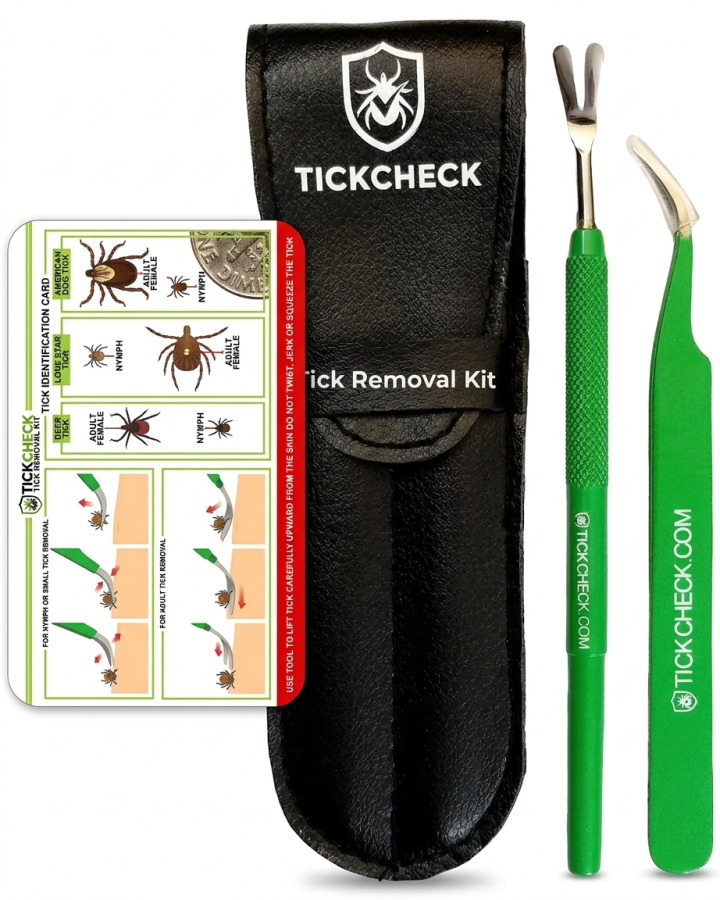
TICKCHECK Tick Removal Tool Kit
A dedicated tick removal tool can make the process easier, especially if you’re dealing with very small ticks or a wiggly pet. This kit includes fine-tipped tools designed to grip close to the skin, along with a small container for safely storing the tick if you want to identify or test it later.
Last updated: April 7, 2026
Originally published: September 1, 2010




Ticks are arthropods, like spiders, a dreaded enemy of your dogs which can transmit certain diseases and even cause paralysis. This information is really very helpful regarding removal of ticks. However, a prompt visit to a veterinarian can prevent further complications in future.
Great information for tick removal.
This is some good information! Thanks for sharing!
Our vet recommended a product for tick removal he is very excited about. We got it, fortunately didn’t get to try it out yet, but it surely seems to make sense. And since he thinks it’s great and he uses it, that to me means thumbs up for the product.
Editor’s note:The original product mentioned above is outdated. A similar, widely available option is the ZenPet Tick Tornado Tick Removal Tool, which uses the same twisting approach to remove ticks safely.
So important to the health of your pet to know about proper tick removal, what to do before and after, however taking them to the vet just in case, might be a good idea.
Good info.. preventative measures like keeping up with monthly treatments of products like Frontline Plus has proven throughout the years to be very reliable.
Keep up the good work!
Thanks
For the Love of Paws
Thanks Kelly!
Such an important topic that most people don’t really know enough about…yet everyone knows about ticks! Some of the misconceptions about removal are humorous at best and scary at worse. A regular check for ticks on your dogs and cats no matter where you live is so important. It’s even more important to know what to do when you one day feel that little bump on your dogs belly. Yuck!
Ah the things we endure for our special friends…
Riese