

When we receive notices from the FDA about pet food recalls we try to pass the information along as soon as possible. Usually we have one recall but this time there are three and all with potential elevated Vitamin D levels.
According to PetMD elevated levels of Vitamin D can poison your dog and can cause serious health issues.
Disclosure:
This post may include affiliate links. As an Amazon Associate, we may earn from qualifying purchases at no extra cost to you.
Learn more.
Voluntary Recall of Feed Solutions Feed Products Due to Potential Elevated Vitamin D Level
Voluntary Recall of Purina® Products Due to Potential Elevated Vitamin D Level
PMI Nutrition International Initiates Voluntary Recall of AquaMax™ Products; Expands Voluntary Recall of Mazuri® and LabDiet®Feed Products Due to Potential Elevated Vitamin D Level
Last updated: November 12, 2017
Originally published: July 17, 2012


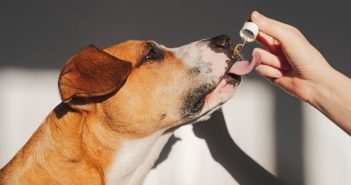
Vitamin D is a fat-soluble vitamin (i.e., stored in the fatty tissues of the body and liver) that is vital in regulating the calcium and phosphorous balance in your dog’s body. It also promotes the retention of calcium, thus aiding bone formation and nerve and muscle control. When ingested in exorbitant levels, however, vitamin D can cause serious health issues.
Vitamin D is also known as ‘the sunshine vitamin.’ Ultraviolet radiation from the sun is important to convert Vitamin D precursors into the active D form. This conversion takes place in the outer skin layers. In dogs and cats, however, this conversion is inefficient, and supplemental Vitamin D must be available in the diet. It is usually supplied in the form of synthetic Vitamin D.