

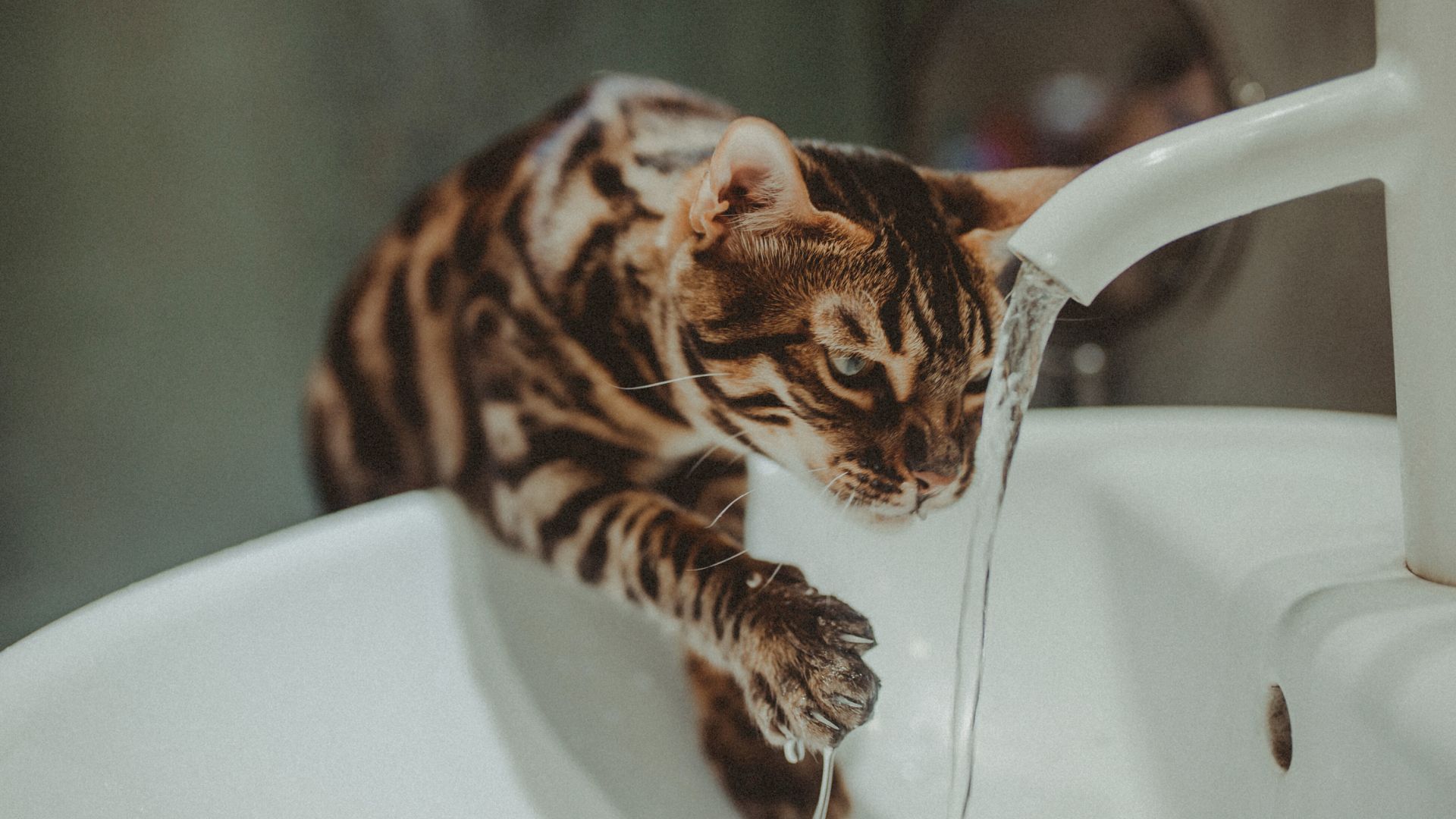
While we all leave the house for work, errands, or just life, one thing never changes.
Pets need reliable access to fresh water.
Over the years, one thing becomes pretty obvious: access to water and willingness to drink it are not the same thing.
Some animals drink whatever is in front of them. Others don’t. And sometimes, what looks like a full bowl isn’t actually solving the problem.
That’s where a good water fountain can make a real difference.
Quick Answer:
Many pets are drawn to running water, which is why fountains can help encourage better hydration. When choosing one, look for stainless steel or ceramic materials, quiet operation, easy cleaning, and a reliable filtration system.
Why Water Fountains Actually Help
If you’ve spent enough time around cats (and honestly, a lot of dogs too), you start to notice a pattern.
They’re drawn to movement.
Running water catches their attention in a way a still bowl doesn’t. It feels fresher. Safer. More interesting.
That instinct goes way back. In the wild, moving water is less likely to be contaminated than something sitting still.
Even now, that preference shows up in small ways:
- cats hovering near sinks
- pets showing up the second you turn on a faucet
- animals drinking more when water is freshly poured
It’s not just behavior. It matters for health too.
Many pets, especially those on dry food, don’t drink enough on their own. That can contribute to dehydration, urinary issues, and kidney problems over time.
A fountain doesn’t force them to drink.
It just makes them want to.
Moving vs. Standing Water (What You Start to Notice)
Over time, certain patterns emerge. And once you see them, you can’t unsee them.
A freshly filled bowl almost always gets attention first, even when a perfectly full one is sitting right next to it. Some pets show up the second they hear water being poured, like the sound itself is the signal. Like they didn’t know they were thirsty until they heard it.
Some get creative about it, too. We know a cat who drinks from a bowl just fine, but always starts with her paw, then licks the water off like that’s simply how it’s done. At the fountain, same thing—though she’ll gravitate toward the stream over the basin if given the choice.
One of our dogs has his own version. Full water bowl? Ignored. Turn on the garden hose, and he’s sprinting across the yard trying to catch the stream mid-air. It’s not that the water is different. It just gets his attention in a way still water doesn’t.
The takeaway is pretty clear:
It’s not just about having water available.
It’s about how that water is presented.
Features That Actually Matter
With so many fountains out there, it’s easy to overcomplicate this. The basics matter most.
1. Material: Stainless Steel or Ceramic
Skip plastic if you can. Plastic scratches easily, and those scratches can trap bacteria.
That’s one reason some cats develop chin acne or irritation.
Stainless steel and ceramic are:
- easier to clean
- more hygienic
- less likely to hold odor
Between the two, stainless steel tends to be:
- lighter
- more durable
- easier for everyday use
2. Quiet Operation
If the pump is loud, some pets won’t go near it.
Look for fountains designed to run quietly. A low hum is fine. Buzzing or rattling isn’t.
3. Easy to Clean (This is a big one)
If it’s annoying to clean, it won’t get cleaned as often as it should.
Look for:
- simple parts
- easy disassembly
- dishwasher-safe components
You want something you’ll actually maintain without thinking twice.
4. Filtration System
Most fountains use some form of carbon filtration.
Better models layer multiple stages, which may include:
- activated carbon
- sponge filters
- mineral or resin components
The goal is simple: remove debris, improve taste, and keep water fresh longer.
5. Capacity and Size
Match the fountain to your setup.
- Small pets – smaller capacity is fine
- Multiple pets or large breeds – go bigger
If you’re refilling constantly, it defeats the purpose.
A Simple Place to Start
If you want something that checks all the right boxes without overthinking it, this is a strong pick.
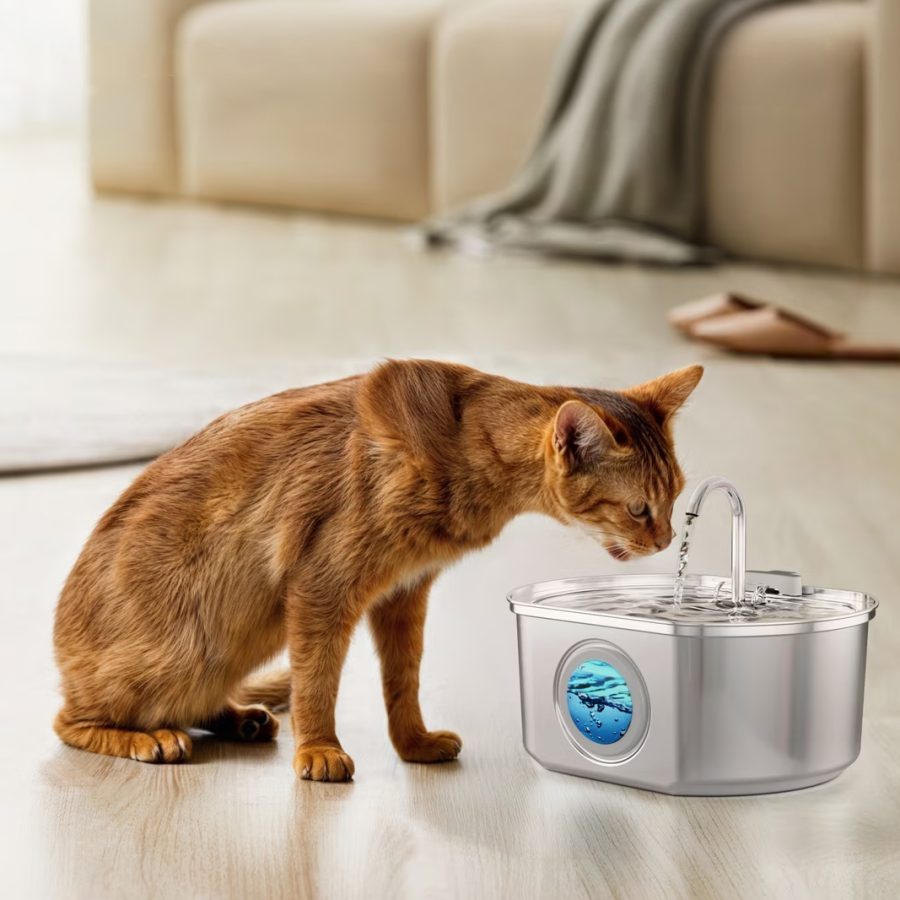
Casfuy PWS-154 Stainless Steel Dog & Cat Water Fountain
A straightforward stainless steel fountain with a faucet-style spout that taps into the same instinct that draws many cats to running faucets. The stainless steel drinking surfaces, including the spout, help keep things cleaner over time, while dual flow modes let you switch between a more active stream or a gentler flow. It’s quiet, easy to maintain, and a solid place to start if you’re testing whether your pet prefers moving water over a standard bowl.
What stands out here is the faucet-style stream.
That small detail matters more than you’d think. It taps into the same instinct that draws pets to sinks and running water in the first place.
It’s simple, functional, and doesn’t try to overcomplicate things. It’s a corded plug-in fountain, so there aren’t batteries or apps to figure out and the replacement filters are easy to find and straightforward to swap out.
Keeping it Clean (and Running Well)
Like all pet fountains, this one works best with a regular maintenance routine.
- Keep the water level above 30% so the pump always stays fully submerged
- Rinse and clean the fountain every 1-2 weeks
- Replace the filter regularly to keep water fresh
Once you get into the habit, it’s quick and it makes a noticeable difference in how well the fountain runs over time.
In one indoor two-cat setup, a similar entry-level stainless steel fountain has been in steady use for a couple of years now with no issues—just regular cleaning and filter changes.
That’s usually the goal, something simple that works well enough to stick with.
Final Thoughts
A water fountain isn’t just a nice extra. For a lot of pets, it’s the difference between drinking enough water and not drinking enough water.
If you start looking at similar models, you’ll notice they tend to fall into two directions.
Some lean toward simple, durable designs with fewer parts and more stainless steel throughout. Others add more layers of filtration or extra features. Both approaches can work.
For most homes, starting simple is the easiest way to test the water, pun intended. We can say from experience, “not all cats” or “not all dogs” are going to take to a particular kind of water fountain. But in our collective experience, fountains that look like sinks and sound like water pouring tend to attract cats.
It’s better to figure out what your pet actually prefers before investing in something more expensive. It’s also the best way to know what you like, what you don’t like, and what feature you wish it had before committing to a bigger spend.
You don’t need the most expensive model. You just need one that:
- stays clean
- runs quietly
- and gives your pet a reason to actually use it
Because at the end of the day, that’s what matters.
Last updated: March 24, 2026
Originally published: July 31, 2018