



September 1, 2010
in Dogs
by Kelly Marshall
Ticks can pose a serious health risk to your dog. If they attach to your dog’s skin they can cause irritation, pain and could pass on diseases. If your dog ends up with a tick it is very important that you remove it as soon as possible. Leaving the tick on your dog could increase the risk of infection. The problem is that many people do… Continue reading How To Safely Remove a Tick From Your Dog . . .
We recently received an email from the Humane Society of the United States about The Puppy Mill Cruelty Prevention Act that will appear on the November ballot in Missouri. I decided to research puppy mills to see if it warranted a blog. Much to my chagrin there was a lot of information showing the extent of the problem.
There are seven states that are known as puppy mill states because they have the majority of the puppy mills in the country. They are: Missouri, Nebraska, Kansas, Iowa, Arkansas, Oklahoma and Pennsylvania.
Tragically, approximately 40 percent of all pet store puppies nationwide come from Missouri, where nearly 200,000 breeding dogs produce up to a million puppies a year. Continue reading Heartbreak Of Puppy Mills . . .
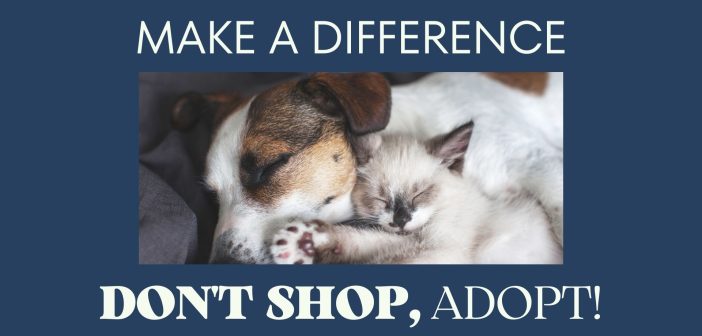
According to the American Pet Products Association, 75% of owned dogs and 87% of owned cats are spayed or neutered. There are many reasons to spay and neuter your pets. The biggest reason most proponents give is the reduction in pet overpopulation. Shelters around the country euthanize perfectly happy and healthy pets because there are too many pets and not enough adopters. So, you are saving a life by adopting a pet – and saving several lives by spaying and neutering the pet you adopt!
But there are other benefits to spaying and neutering as well. Sterilization can increase your dog’s lifespan an average of one to three years, and your cat’s lifespan an average of three to five years. It also leads to a much lower risk of mammary gland tumors, prostate cancer, uterine cancer, and other forms of cancer. Continue reading The Benefits of Spaying and Neutering . . .
Mimi Ausland, a 12 year old girl from Bend, Oregon, wanted to help feed the hungry animals at her local animal shelter. “There are 10’s of thousands of dogs and cats in animal shelters across the country, all needing to be fed a good meal.” Say hello to freekibble .com and freekibblekat.com.
Mimi Launched freekibble on April 01, 2008. On May 14, she delivered her first round of kibble to the Humane Society of Central Oregon: 240 lbs. and enough to feed 456 dogs for one day! Since then and as of August 09, 2010, freekibble and freekibblekat, have raised over 530,000 lbs. (265 tons!!!) of kibble.
That is an incredible 401,353,820 pieces of kibble donated since April 1, 2008! Continue reading Send President Obama An Email And Get Free Kibble Donated To Animal Shelters . . .
Earlier this year, ASPCA Humane Law Enforcement Agents arrived at a New York City apartment to find that dozens of cats and kittens had overtaken the small space. The cats were severely malnourished, and many suffered from upper respiratory disease. There were no litter boxes, and the floor was covered in several inches of feces and urine. Living among the filth and debris was an 85-year-old woman suffering from dementia—she had been hoarding animals for years.
Animal hoarding is a complex and intricate social issue with far-reaching effects that encompass mental health, animal welfare and public safety concerns. Victims can include cats, dogs, reptiles, rodents, birds, exotics and even farm animals. While it’s not clear why people become animal hoarders, current research suggests the cause is often attachment disorder in conjunction with personality disorders, paranoia, dementia, depression and other mental illness. The hoarder does not intend to inflict harm on animals, and in most cases, the hoarder can no longer take care of himself, much less multiple animals. Continue reading Uncovering the Truth about Animal Hoarding . . .
Many people today are very concerned because they have dogs with skin problems. Problems range from hot spots to chronic dry, flaky skin to allergies or worse. Consulting with your veterinarian is always advisable if your dog has a serious or recurring health problem. There are several things that can be done to lessen the severity of skin problems.
Many dog skin problems can be traced to a weakened or compromised immune system or culprits found in daily diets. Continue reading Approaching Dog Skin Problems . . .
Your beautiful expensive wool area rug once your pride and joy now is an embarrassment because of the urine smell that you cannot get out. Why is it so difficult to get urine out of wool rugs and how do you eliminate that terrible odor?
Here are your answers.
I have been a professional carpet cleaner in Anchorage Alaska for over 30 years. Through experience we know that these tips will work.
Why is it so difficult to get the smell out?
Wool is of course a natural fiber and is very different from other synthetic fibers such as nylon or polyester. If you were to look at a strand of wool under a microscope you would see why it holds onto the smell. The stalk of a strand of wool is covered with little pockets. These pockets get filled with soil and in the case of urine issues they get filled with urine crystals. It is very difficult to get the urine out of these pockets. Another problem is that what looks like a small amount of urine on the surface is actually a lot of urine because most of it is hidden in the pockets. Many people including less experienced carpet cleaners do not use enough cleaning solution because they are treating what they see.
Also it is pretty easy to turn a medium sized urine problem in a wool rug into a bigger urine problem if you spread the urine all over the carpet.
There are certain steps that need to be taken to remove the urine and the odor. Continue reading Removing Urine From Wool Rugs . . .
If you have a dog, you have dog dander. Unfortunately, if you also have asthma or allergies this can pose a huge problem. But the secret to managing is to reduce the amount of dander. Debbie Davis gives us 6 suggestions for doing just that. Continue reading 6 Ways To Reduce Dog Dander . . .
FOR IMMEDIATE RELEASE – August 3, 2010 – Merrick Pet Care, Inc. of Amarillo, Texas is extending its July 2,2010 recall of 10 oz “Beef Filet Squares for Dogs (Texas Hold’Ems)” pet treat (ITEM # 60016 LOT # 10084TL7 BEST BY MARCH 24, 2012) to also include 83 cases of “Texas Hold’ems” (ITEM # 60016 LOT # 10127 BEST BY MAY 6, 2012) because they have the potential to be contaminated with Salmonella. Salmonella can affect animals and there is risk to humans from handling contaminated pet products. People handling the treats can become infected with Salmonella, especially if they have not thoroughly washed their hands after having contact with the chews or any surfaces exposed to these products. Consumers should dispose of these products in a safe manner by securing them in a covered trash receptacle. Continue reading Merrick Pet Care Recalls Texas Hold'ems 10 oz Bag because of Possible Salmonella Health Risk . . .
Americans should be proud to call these magnificent horses American-bred. Their natural talents and abilities in many capacities, paired with their amiable personalities, make the American Quarter Horse a true renaissance animal, and a valuable asset to many.
In the 17th century, colonial Americans began crossing the English Thoroughbred horse with other horses native to America, including Chickasaw horses, themselves an amalgam of Arabian, Iberian, and Barb horse breeds from Spain.
Two hundred years later, during the Westward Expansion, the pioneers bred quarter horses with both wild and domesticated horses from the Southwestern US and Mexico, in order to achieve a more durable horse. These western horses were found to possess an innate ability to work with cattle, and began to be used more widely in this way. Continue reading Quarter Horses . . .
Meet Susan Marino. In addition to her extensive experience as a nurse, she is a veterinary technician, a wildlife rehabilitator, public speaker, and author. Over fourteen years ago, she also founded angelsgate.org, a unique animal sanctuary for terminally and critically ill pets from all over the world to receive care at the end of their lives.
This organization is non-profit, and runs solely on donations from kind contributors. You can also help Angel’s Gate directly by shopping at the Angel’s Gate. Continue reading Angel's Gate Pet Sanctuary Needs Your Help . . .